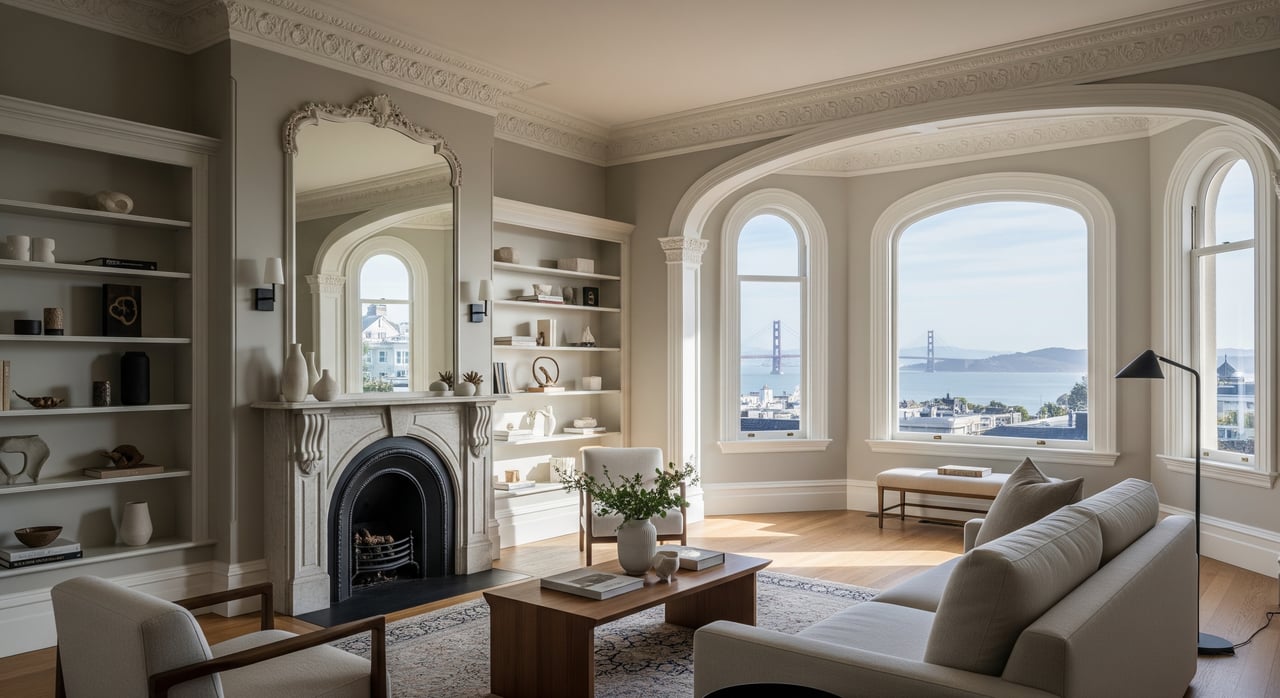
If your ideal day includes a coffee run on a boutique-lined street, a quick climb to a hilltop park, and sunset views of the Golden Gate, Pacific Heights will feel instantly familiar. Choosing a neighborhood is a big decision, especially when you are balancing commute, housing goals, and daily rhythm. This guide walks you through what life looks like in Pacific Heights so you can decide with confidence. You will see how the location, streetscape, parks, schools, transit, and housing market come together. Let’s dive in.
Neighborhood snapshot
Pacific Heights sits on a north-side ridge of San Francisco, set between the Presidio to the west and the Marina and Cow Hollow to the north. Boundaries are informal and can vary by source, so confirm exact limits if you are comparing listings or researching school options. What stays constant is the elevated topography and the sweeping views toward the Bay and Golden Gate. Those views, plus the calm residential feel, shape the neighborhood’s identity.
You will find a polished, quieter pace than nightlife-heavy districts. Streets are tree-lined, homes are well kept, and retail is concentrated rather than spread across every block. Many residents are professionals who value access to downtown and major parks. Households here include a mix of owners and renters, with ownership more common relative to many other San Francisco neighborhoods.
Streets and scenery
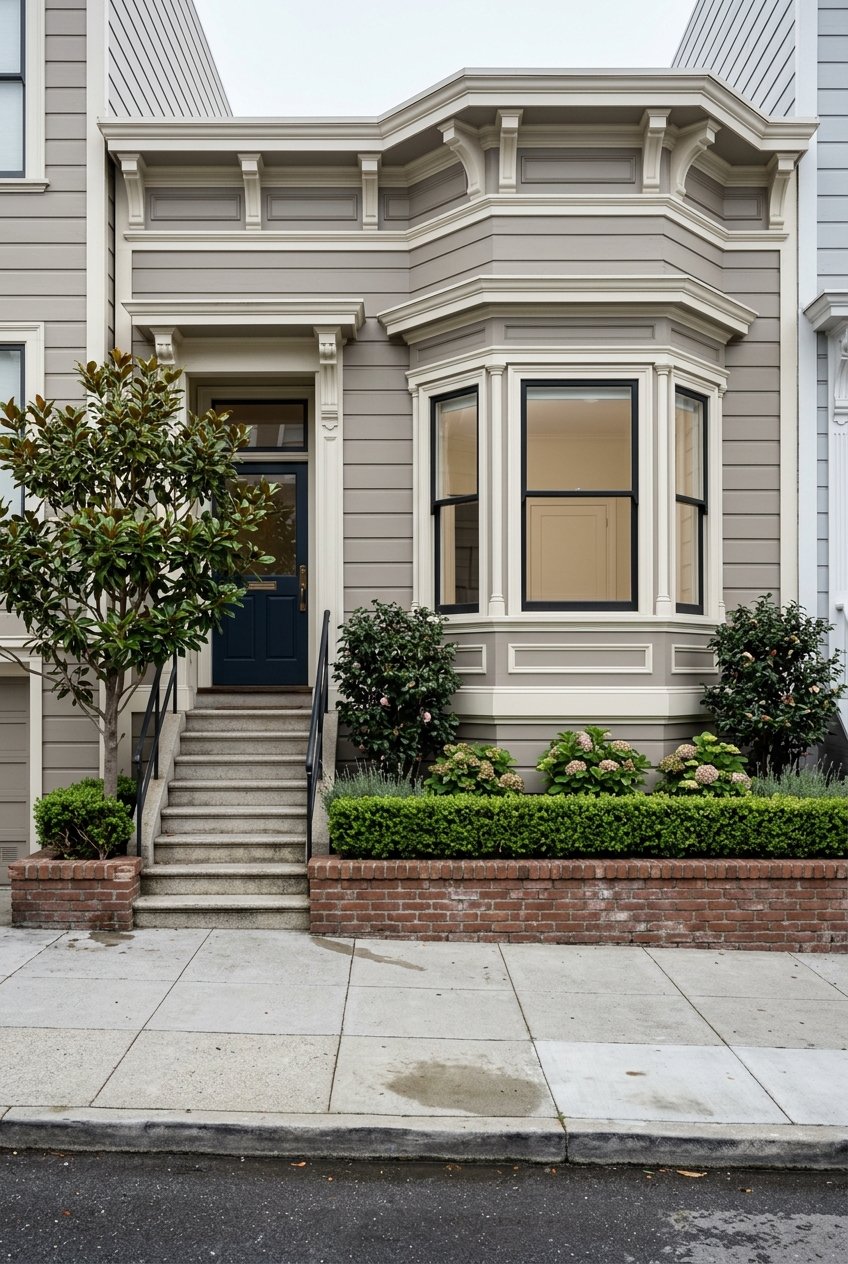
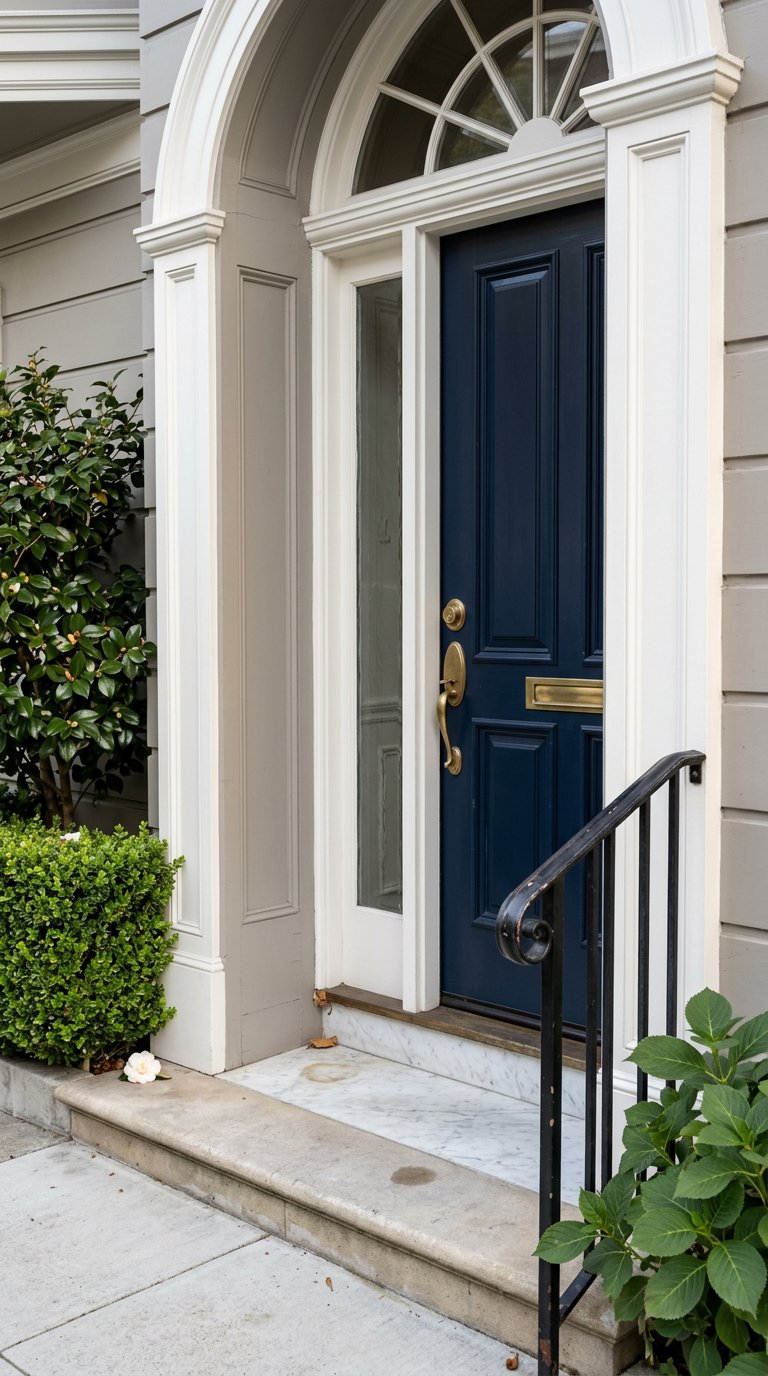
Pacific Heights is known for its Victorian and Edwardian architecture, along with larger Gilded Age mansions and early to mid-20th century apartment buildings. Facades feature ornate details and bay windows. You will also see row houses, multi-unit flats, converted carriage houses, and modern luxury condos. Many historic properties fall under preservation guidelines, which help keep the streetscape consistent over time.
The hills add character and daily exercise. Some blocks are steep, and stairs or terraces are common. Most residential avenues are quiet and landscaped, while commercial activity clusters on Fillmore Street and parts of Sacramento and Divisadero. Streets that trace the ridge offer the most dramatic vistas, which can influence desirability and pricing.
Parks and open space
Two hilltop parks anchor Pacific Heights: Alta Plaza Park and Lafayette Park. Both offer lawns, playgrounds, pathways, and wide Bay views. They are used for morning workouts, dog walks, and relaxed weekend afternoons. Their central locations make them easy to reach from most blocks.
You are also next to the Presidio, which expands your options with trails, historic sites, overlooks, and access to the waterfront. Baker Beach and Crissy Field are a short drive. If outdoor space matters to you, this combination of neighborhood parks and national parkland is a standout benefit.
Daily life and amenities
Fillmore Street is the main retail spine and runs north to south through the area. It offers boutique shopping, specialty food, cafés, and restaurants that skew upscale. You will find local markets and specialty grocers nearby, with full-service supermarkets reachable by a quick walk or drive. Health care and professional services, including clinics and private practices, are close at hand, and major hospitals across the city are accessible.
For families and caregivers, parks and playgrounds make daily routines easier. Public school enrollment follows San Francisco Unified School District policies, and there is a long-standing presence of private schools in and around the neighborhood. Always verify the most current school assignment details and admissions information directly with the relevant organizations.
Getting around
Transit coverage includes several Muni bus lines that link Pacific Heights to downtown and other neighborhoods. The California Street corridor also features historic cable car service; confirm current operations if that is part of your commute. If you drive, the Presidio Parkway and Marina area provide direct routes to the Golden Gate Bridge and northern waterfront. Travel times to the Financial District vary by traffic and time of day.
Walkability is a strong suit thanks to compact blocks and nearby services, though steep grades can make some routes more strenuous. Many residents bike, but the hills limit cycling for some riders. Parking is often the biggest pain point. Street parking can be tight on many blocks, and you may need to navigate permits, time limits, or meters. If a dedicated garage is important to you, include that in your home search criteria.
Homes and costs
Living in Pacific Heights means shopping one of the city’s premier markets. Single-family homes and properties with Bay or bridge views commonly sell in the multi-million-dollar range. Condos and rental units also command premiums compared with city averages. Scarcity of large parcels, historic preservation, and sustained demand from buyers who value prestige and proximity to downtown all support pricing.
Housing types you will see
- Large single-family homes and mansions with period details
- Row houses and multi-unit flats
- Early to mid-20th century apartment buildings and condominiums
- Select modern luxury condos or townhome-style residences
Price context and value drivers
- View corridors and ridge-top positions are major value drivers
- Lot size, architectural pedigree, and outdoor space influence pricing
- Condo and co-op buildings may offer amenities and charge monthly association fees
Renovations and historic review
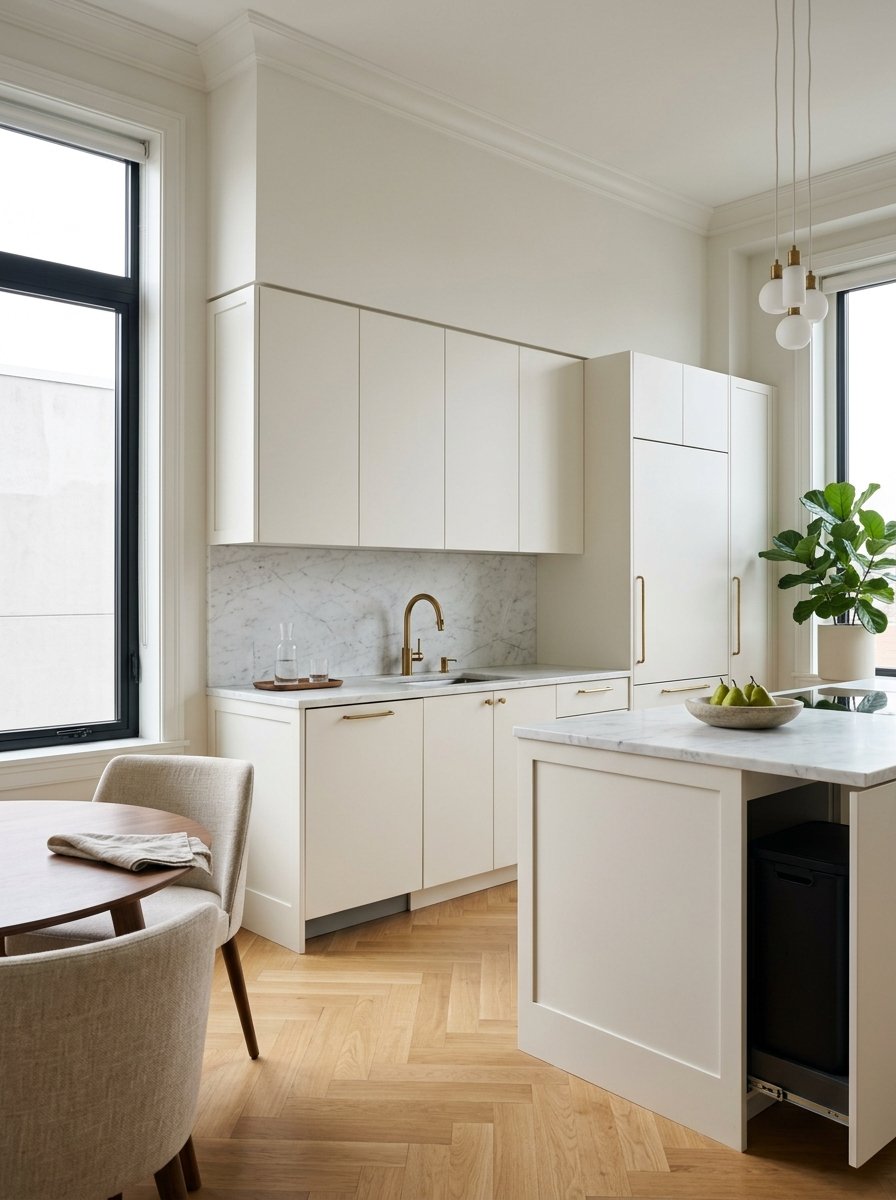
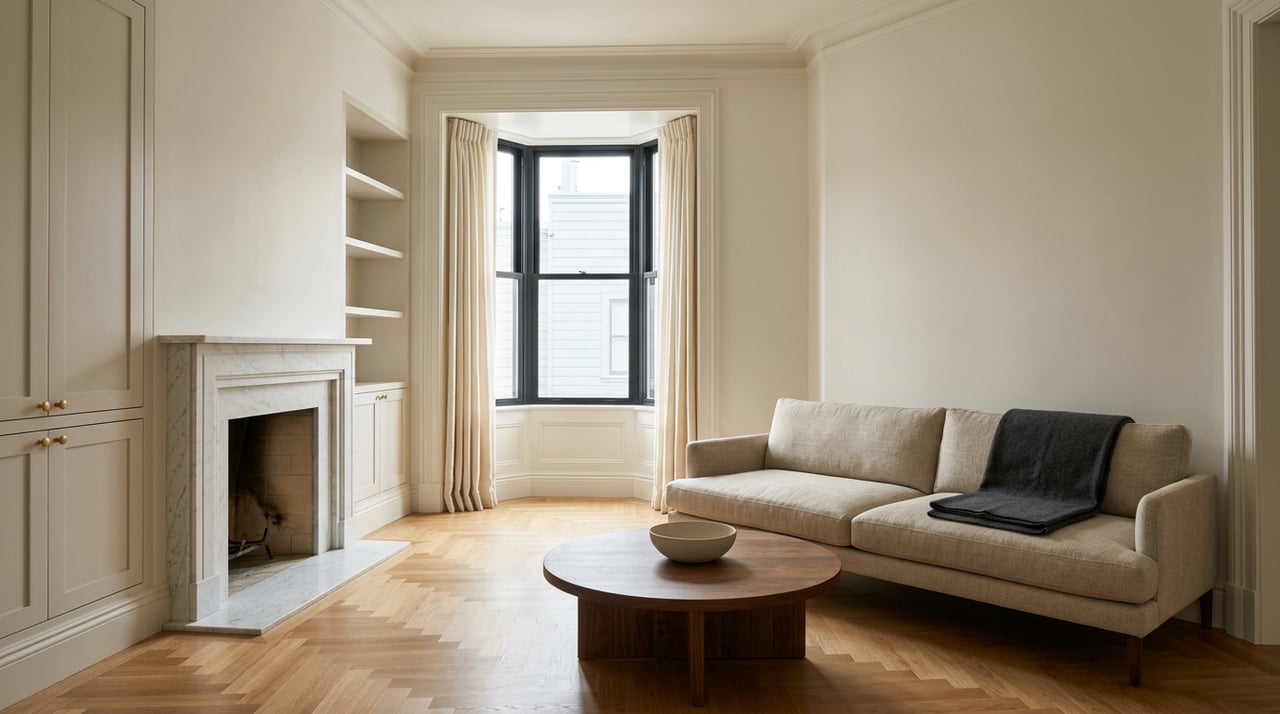
Many older homes fall under local design and preservation review. Renovations may require additional approvals and attention to historic details. If you plan to update kitchens, baths, or façades, build time and budget for approvals and specialized trades.
Maintenance and retrofit considerations
Older structures can carry higher long-term maintenance costs. Foundations, seismic work, and updated plumbing or electrical systems are common line items. San Francisco has required soft-story retrofits for certain multi-unit buildings; confirm whether a property is affected and whether work is complete. Earthquake risk is a citywide factor, so evaluate retrofit status and insurance options as part of due diligence.
Financing, taxes, and insurance
California property taxes are governed by Proposition 13, which ties assessed values to the purchase date and certain improvements. This can produce different tax outcomes for similar homes purchased at different times. Review current assessed values and tax bills before you commit. Many owners also consider earthquake insurance. Discuss coverage options with your insurance provider and factor premiums into your total housing cost.
Trade-offs to weigh
Every neighborhood offers benefits and trade-offs. Here are common themes buyers consider in Pacific Heights:
Advantages
- Prestigious address with cohesive architectural character
- Hilltop parks, open lawns, and easy access to the Presidio
- Concentrated boutique retail and dining on Fillmore Street
- Convenient connections to downtown and the northern waterfront
Potential downsides
- Very high housing costs and cost of living
- Limited street parking and permit rules on many blocks
- Steep topography that can challenge cyclists or those pushing strollers
- Microclimates with fog and wind on some north and west exposures
- Historic-home maintenance and renovation costs that require planning
Is Pacific Heights a fit for you?
Use this quick checklist as you calibrate your search:
- You value quiet residential blocks with curated retail close by.
- Views, architectural character, or proximity to large parks rank high for you.
- You are comfortable with premium pricing and long-term maintenance planning.
- You want multiple commute options to downtown and the North Bay.
- You prefer a neighborhood with both public and private schooling options nearby.
If several items fit, Pacific Heights may align well with your goals.
Your next step
Whether you are comparing ridge-top view homes or weighing a condo near Fillmore, local guidance will help you price, negotiate, and plan renovations with confidence. If you want a clear path from first tour to closing, connect with a neighborhood-focused advisor. Schedule a free consultation with Nathan Jones to discuss your goals, review current comps, and map a strategy tailored to Pacific Heights.
FAQs
How does commuting from Pacific Heights to the Financial District work?
- Multiple Muni bus routes connect to downtown, the California Street corridor offers historic cable car service, and driving times vary by traffic, with congestion common during rush hour.
What are the main parks and outdoor options in Pacific Heights?
- Alta Plaza Park and Lafayette Park anchor the neighborhood with lawns, playgrounds, and hilltop views, and the adjacent Presidio provides extensive trails, historic sites, and waterfront access.
How walkable and bikeable is Pacific Heights for daily errands?
- The area is highly walkable with clustered retail on Fillmore Street, while steep grades can limit cycling for some residents and may affect route choices.
What should I know about parking in Pacific Heights?
- Street parking is often constrained and may require residential permits or time-limited meters, so a garage or dedicated parking space can be a valuable feature in a home search.
What types of homes are common in Pacific Heights?
- You will see Victorian and Edwardian single-family homes, Gilded Age mansions, multi-unit flats, and early to mid-20th century condominiums, along with select modern luxury buildings.
How expensive is housing in Pacific Heights compared with other areas?
- It is among San Francisco’s highest-priced neighborhoods, with single-family homes and view properties commonly trading in multi-million-dollar ranges and condos priced at a premium over city averages.
Are there special rules for renovating older homes in Pacific Heights?
- Many properties are subject to historic preservation and design review, so renovations may require approvals and adherence to guidelines that protect architectural character.
What should buyers consider about earthquake risk and retrofits?
- Earthquake risk is citywide; evaluate a property’s seismic upgrades, check for any soft-story requirements in multi-unit buildings, and consider earthquake insurance as part of your planning.