If you are thinking about buying a condo in Russian Hill, you are probably asking two questions at once: Will I enjoy owning here, and will the numbers hold up over time? That is the right way to look at this neighborhood. Russian Hill is not a bargain market, but it can be a smart condo investment for the right buyer. In this guide, you will see what current pricing, rental demand, supply limits, and building-specific risks suggest about investing here. Let’s dive in.
Russian Hill investment outlook
Russian Hill looks strongest as a selective, long-term condo play rather than a quick cash-flow opportunity. Current market data points to a high-price, low-supply environment where value depends heavily on the specific unit you buy.
According to Redfin’s Russian Hill market data, median sale prices have recently landed around $1.4 million to $1.5 million, with homes taking about 70 days to sell. The same data shows a sale-to-list ratio near 100%, with a rolling six-month average of roughly 2% above list, which suggests steady demand without a frenzy across every listing.
Current condo pricing
Condo inventory in Russian Hill is relatively limited, and that scarcity matters. Redfin’s condo listings for Russian Hill show roughly 10 to 13 active condos, with median asking prices around $2.3 million to $2.4 million and active listing market time near 28 days.
That does not mean every condo trades at the same level. In fact, recent sold examples show a very wide spread. A smaller one-bedroom sold for $530,000, while a two-bedroom, two-bath residence in The Summit sold for $1.75 million, and another larger view unit in the same tower sold for $2.895 million, according to Redfin’s neighborhood sales data.
Why pricing varies so much
In Russian Hill, the neighborhood name alone does not determine investment quality. Views, floor level, finishes, building reputation, HOA structure, and layout can change both resale appeal and rental performance.
This is one of the biggest reasons buyers need to underwrite a Russian Hill condo as a building-and-unit decision, not just a neighborhood decision. A lower-floor unit without views may perform very differently from a well-positioned home in a known tower or a renovated condo in a classic boutique building.
Why Russian Hill can hold value
One reason Russian Hill stands out is its physical scarcity. San Francisco’s General Plan urban design policies describe Russian Hill as a special hill district where development should preserve views and protect the form of the hill through a balance of smaller older buildings and tall, slender towers.
The same planning framework also says that where hilltops are small-scaled or shaped by open space, new buildings should remain low in order to conserve the hill’s natural form and maintain views. In practical terms, that helps explain why Russian Hill remains visually distinct and why supply can feel limited compared with neighborhoods that have more flexible growth patterns.
Built form supports scarcity
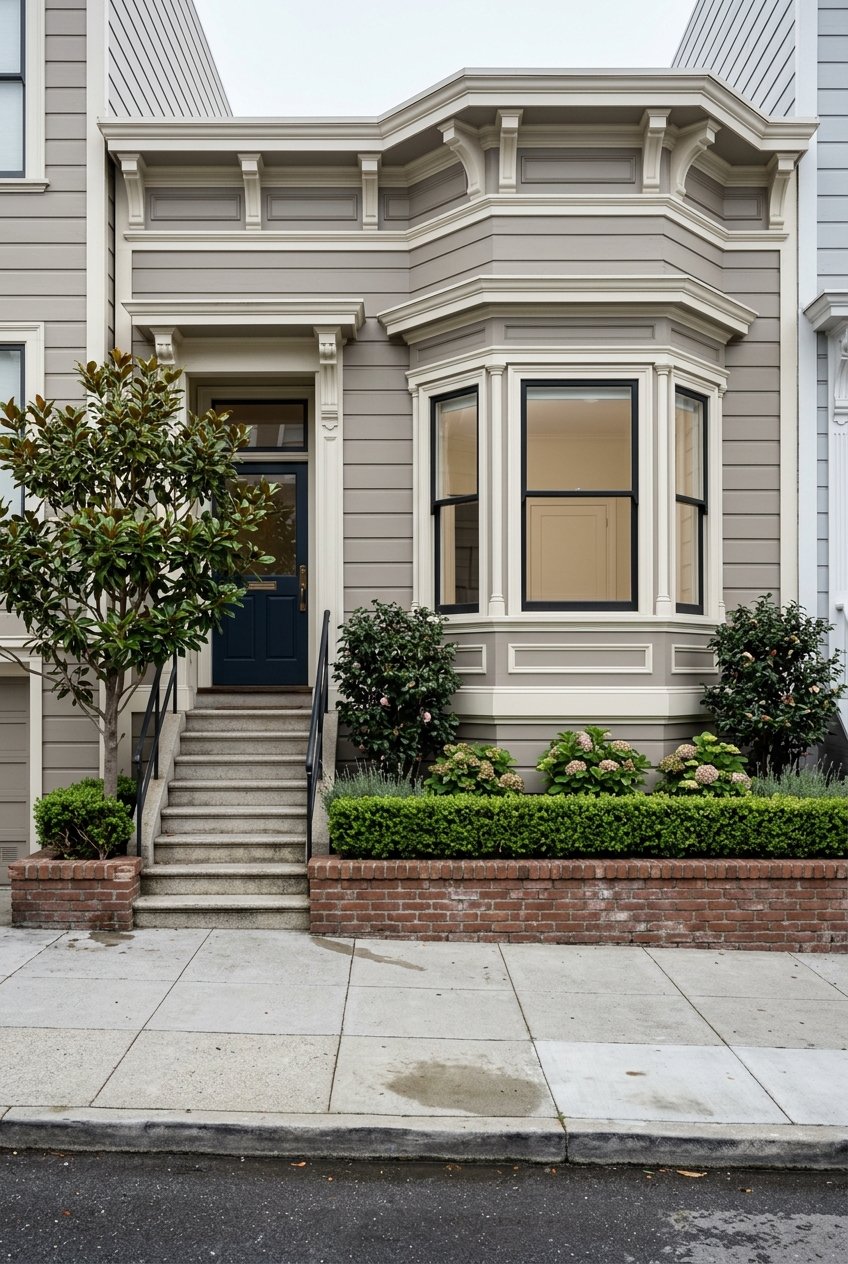
Russian Hill is not a uniform condo market. It includes old flats, smaller walk-up buildings, and a limited number of amenity-rich towers. Current listings on Redfin’s Russian Hill condo page reflect that mix, with both early 20th-century housing stock and more service-oriented mid-century high-rise product.
The neighborhood’s historic character also contributes to its appeal. The National Park Service description of the Russian Hill/Macondray Lane District highlights the area’s hillside setting, view orientation, and compact collection of buildings. For investors, that kind of constrained and recognizable place identity can support long-term desirability.
Location supports demand
Russian Hill also benefits from strong day-to-day accessibility. Listing activity in the area regularly highlights access to North Beach, the Financial District, Fort Mason, and the Marina, which helps explain why location remains part of the investment case.
One current Russian Hill listing on Redfin emphasizes that connectivity, and broader neighborhood data cited in the research report notes 100/100 walkability and 100/100 transit scores from Apartments.com. For both owners and renters, that kind of convenience can support demand through different market cycles.
Rental demand in context
If you plan to rent out your condo, citywide housing trends are helpful context. The U.S. Census QuickFacts for San Francisco show an owner-occupied housing unit rate of 38.2%, median gross rent of $2,476, and median household income of $140,970.
That backdrop matters because Russian Hill sits in a premium part of the city. Rent levels there are well above the citywide median. According to the research report, RentCafe’s March 2026 neighborhood data shows average rent at $4,731 per month, while Zumper’s April 2026 snapshot places median rent at $3,845, with average rents near $3,695 for one-bedrooms and $4,850 for two-bedrooms.
What rental trends suggest
The exact rent number depends on the source and methodology, but the broader takeaway is consistent. Russian Hill sits in the premium rental tier, which can support investors who are targeting quality tenants and stable leasing demand rather than maximum yield.
The broader Bay Area multifamily market has also improved. CBRE’s Bay Area multifamily figures for Q4 2025 reported rents up 4.3% year over year and vacancy at 4.2%. The research report also cites Cushman & Wakefield data showing Bay Area units under construction at lows not seen since 2011, which may help keep vacancy tighter and rents firmer into 2026.
Best fit for investors
So, who is Russian Hill a smart fit for? In most cases, it makes more sense for buyers who want:
- Long-term ownership potential
- A well-located San Francisco asset
- Scarcity and view-driven value
- Strong lifestyle appeal for future resale or leasing
- Premium positioning over immediate cash flow
If your goal is low entry cost or high short-term yield, Russian Hill may feel challenging. If your goal is to own a distinctive condo in a supply-constrained neighborhood with enduring appeal, the case gets stronger.
Key risks to watch
Russian Hill is attractive, but it is not risk-free. The biggest watchouts are often tied to the building rather than the address.
For example, one active listing cited in the research report shows a $1,640 monthly HOA. That level of carrying cost can materially affect your net return, even in a strong rental market. HOA dues, reserve strength, pending maintenance, and special assessment risk should all be reviewed carefully before you buy.
Older buildings need scrutiny
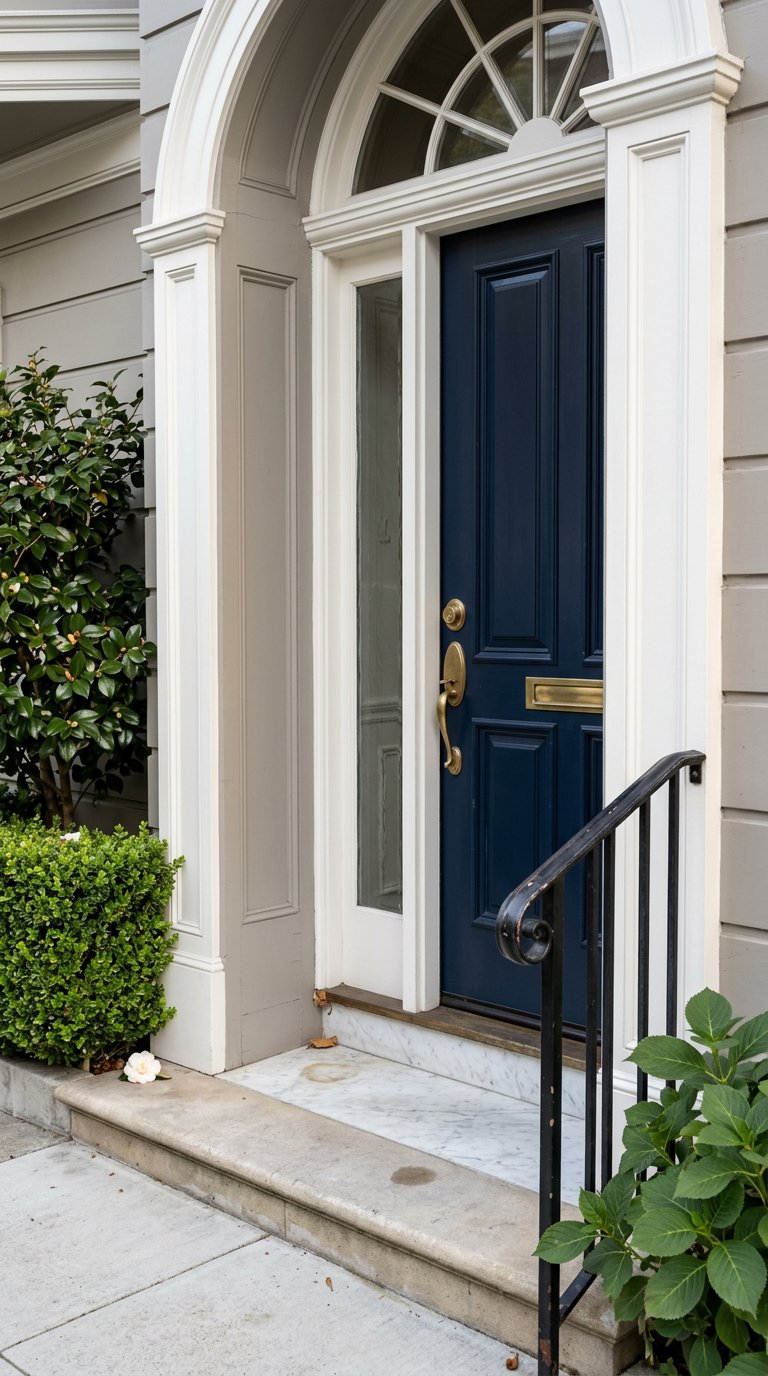
Russian Hill includes a meaningful share of older housing stock, and that creates both charm and responsibility. Historic or older buildings can carry maintenance exposure that may not be obvious from photos alone.
The same is true for larger towers with more services and amenities. Those buildings can be appealing to buyers and renters, but they also come with operating costs that need to be understood in detail. In this neighborhood, due diligence matters just as much as purchase price.
How to evaluate a condo here
If you are seriously considering a Russian Hill condo investment, it helps to review each opportunity through a simple lens:
- Study the micro-location within Russian Hill and its access to downtown, transit, and nearby commercial areas.
- Compare the building type, whether it is a boutique walk-up, historic flat, or amenity-rich tower.
- Review the HOA closely, including dues, reserves, rules, and any known capital projects.
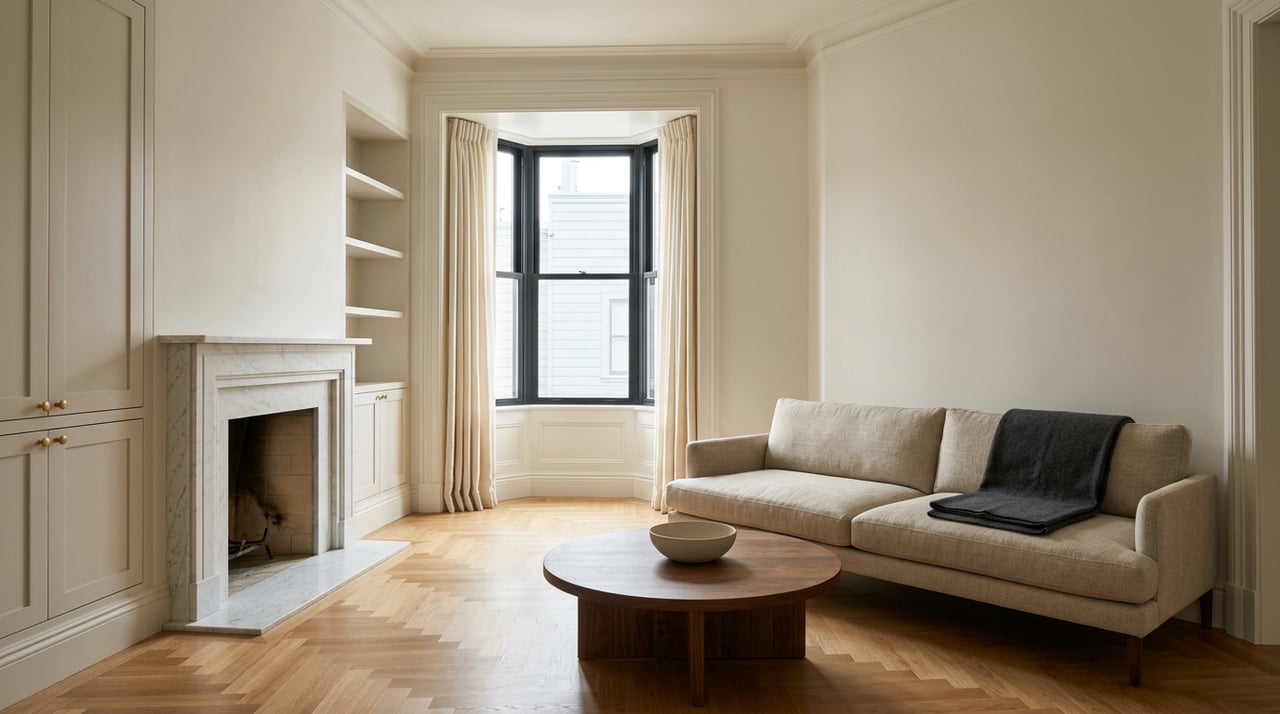
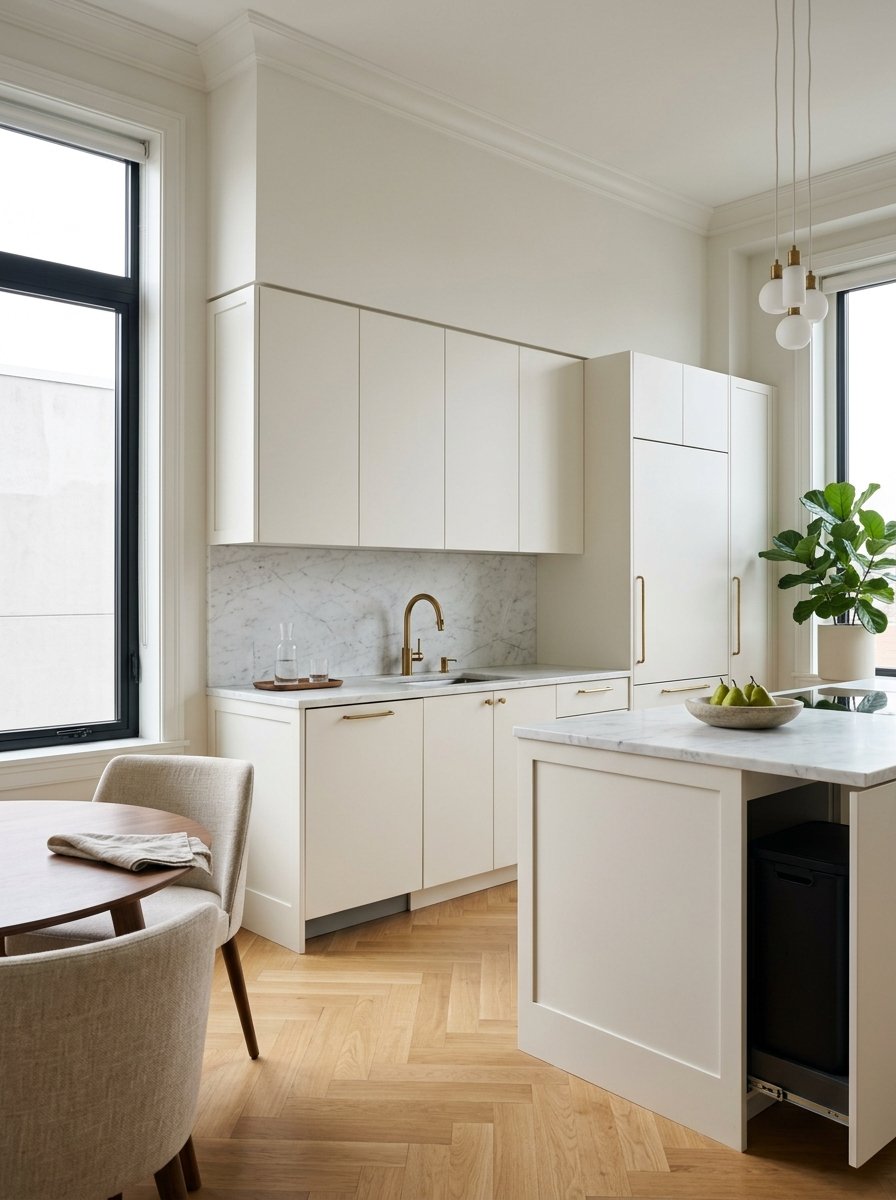
- Assess the unit’s competitive edge, such as views, parking, outdoor space, floor level, or updated finishes.
- Model rental income conservatively using current neighborhood rent ranges rather than best-case assumptions.
- Think about resale now, because future buyers will likely value the same features you do today.
Bottom line on Russian Hill condos
Russian Hill can be a smart condo investment, but usually for a patient and selective buyer. The neighborhood offers scarcity, strong location appeal, premium rents, and a built environment shaped by planning rules that help preserve its character and views.
At the same time, this is not a one-size-fits-all market. High pricing, thin inventory, and potentially heavy HOA costs mean your outcome depends heavily on choosing the right building and the right unit. If you want a condo that can serve both as a quality San Francisco asset and a long-term hold, Russian Hill deserves a serious look.
If you want help comparing specific buildings, reviewing condo financials, or weighing long-term resale potential in San Francisco’s premium neighborhoods, Nathan Jones can help you make a clear, data-informed decision.
FAQs
Is Russian Hill in San Francisco a good place to buy an investment condo?
- Russian Hill can be a good fit if you are focused on long-term value, location, scarcity, and premium renter or buyer appeal rather than immediate high cash flow.
How expensive are condos in Russian Hill?
- Recent data in the research report shows neighborhood-level median sale prices around $1.4 million to $1.5 million, while active condo asking prices have recently been around $2.3 million to $2.4 million, depending on the unit mix.
What makes one Russian Hill condo more valuable than another?
- Views, floor level, building type, HOA burden, finishes, parking, and overall building reputation can all materially affect value in Russian Hill.
Are Russian Hill condos good rentals?
- They can be, especially well-located units with desirable features, since the research report places Russian Hill in San Francisco’s premium rent tier and cites supportive broader rental trends.
What is the biggest risk when buying a Russian Hill condo?
- One of the biggest risks is building-specific cost exposure, including high HOA dues, maintenance needs, reserve issues, or future special assessments.
Is Russian Hill better for cash flow or long-term appreciation potential?
- Based on the research report, Russian Hill appears better suited to a selective long-hold strategy than to a low-cost, high-cash-flow investment approach.